



Furnishing the
Craftsman Home
The architecture gave you the bones. Now you fill the rooms with things that deserve to live inside them.
First, unlearn
The instinct most people bring to decorating is accumulation. More pillows, more objects on the shelf, more art on the wall until no surface breathes. A Craftsman home resists this on a structural level. The built-ins have already done half the decorating. The woodwork is already the art. Your job is not to fill the house. It is to choose the few things that deserve to stand next to hundred-year-old joinery and not look embarrassed.
This does not mean minimalism. It means intentionality. A Craftsman interior should feel warm, layered, lived-in, like a room where someone reads actual books and drinks tea that takes more than thirty seconds to prepare. But every piece earns its place through beauty, utility, or ideally both. The philosophy that built the house should furnish it too.
Clean lines, warm leather, no fuss

Joinery you can see and trust
Seating that stays
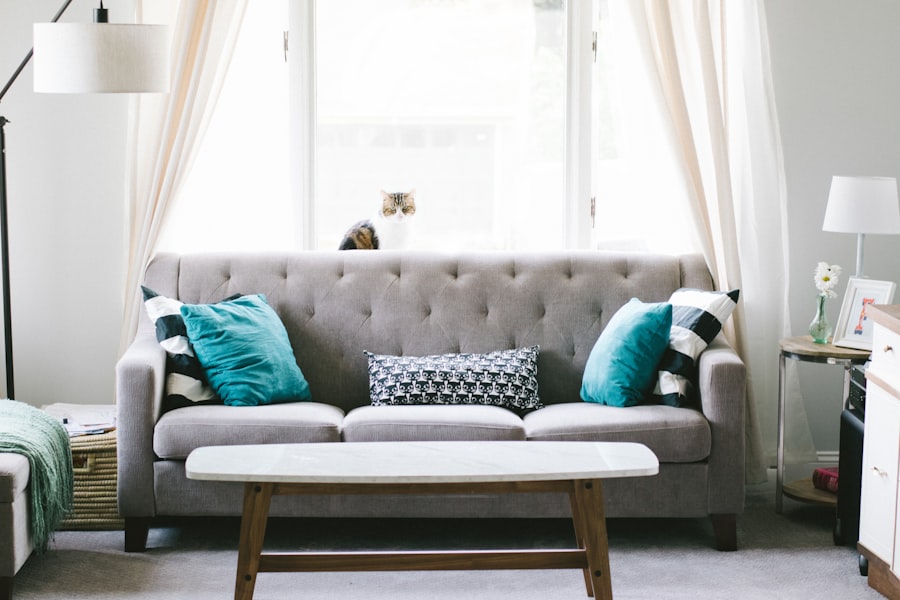
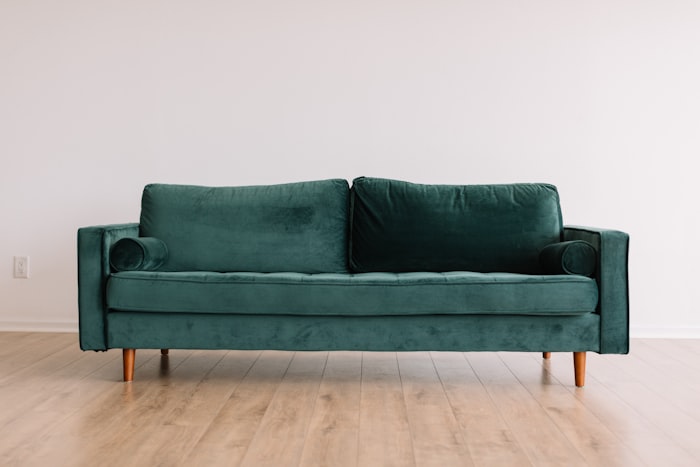
The anchor piece of any Craftsman living room is the sofa, and the sofa should look like it plans to be in the family for decades. Mission-style frames in white oak or cherry, with wide flat arms that double as side tables for your coffee mug, set the tone. The cushions lean toward leather (vegetable-tanned, the kind that develops a patina instead of cracking) or heavy linen in colors that echo the earth: tobacco, oxblood, deep olive, oatmeal.
Accent chairs follow the same logic. Morris chairs, the original recliner before La-Z-Boy industrialized relaxation, remain the gold standard: an adjustable-back armchair with broad slats and loose cushions. A pair of slat-back rockers near the fireplace. Maybe a leather club chair in the reading nook, broken in enough that it holds a memory of your shape. The furniture should invite you to sit for longer than you planned.
Avoid anything that looks injection-molded or arrives in a flat pack from a company named after a Swedish lake. The test is simple: could someone who works with their hands have made this? If the answer is even plausibly yes, it probably belongs.

The best furniture doesn't match the room. It matches the life being lived inside it.
Tables, storage, and the useful beautiful
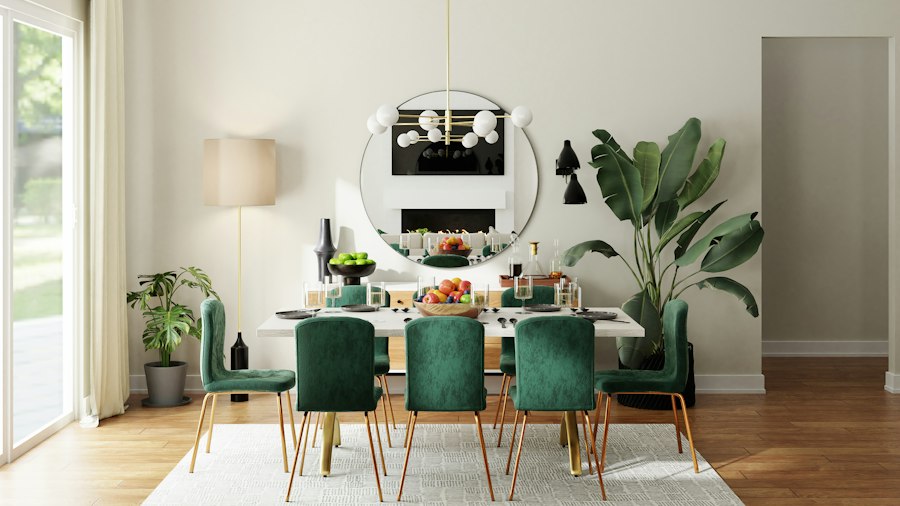
A Craftsman dining table is a slab of conviction. Trestle-style or four-square legs, quarter-sawn oak if you can find it, wide enough for the meal and the conversation that follows. No glass tops. No hairpin legs. The table should feel like it could support the weight of every Thanksgiving you'll ever host on it, because it will.
Coffee tables and side tables carry the same DNA: exposed tenon joints, tapered legs, maybe a lower shelf for those oversized books you actually look at. Storage leans heavily on what the house already provides. The built-in sideboards, plate rails, and china cabinets of a well-designed Craftsman interior handle most of what a modern person would buy a separate piece for. Where you do need freestanding storage, look for Arts and Crafts bookcases with leaded glass doors, blanket chests in cedar or camphor, and hall trees with copper hooks and mirror panels near the entry.
Honest materials, nothing to hide
Solid wood, wide enough for the long conversations
The essential pieces

Mica and Art Glass Lamps
Table lamps with amber mica shades cast the warmest light you've ever sat under. Pair with stained glass pendants over the dining table and hammered copper sconces flanking the fireplace. Overhead fixtures should be the exception, not the rule.
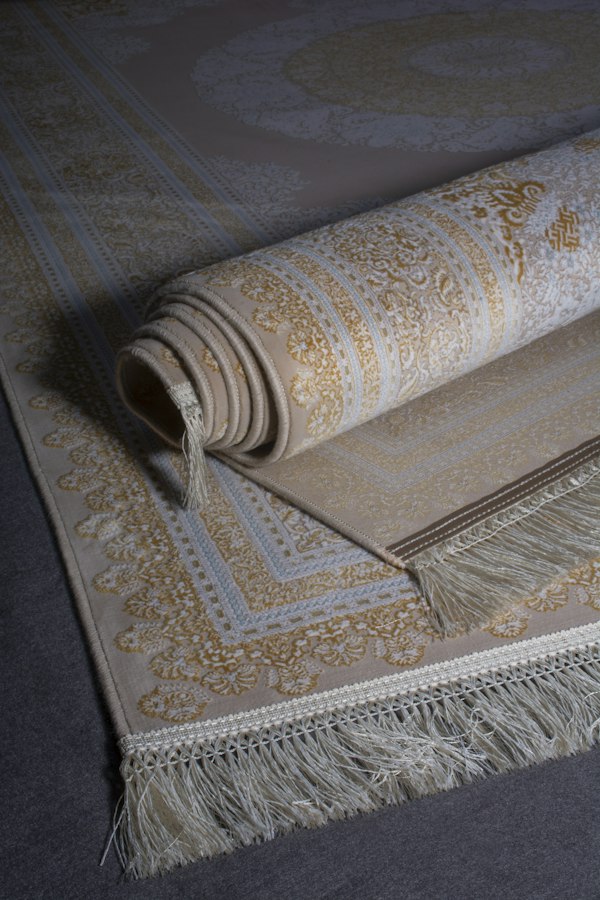
Rugs, Throws, and Pillows
Hand-knotted wool rugs in Persian or Turkish patterns, Navajo-influenced weavings, or simple flat-weave dhurries in muted reds, blues, and golds. Throw blankets in boiled wool or Pendleton-style patterns. Pillows in William Morris prints if you're feeling brave.
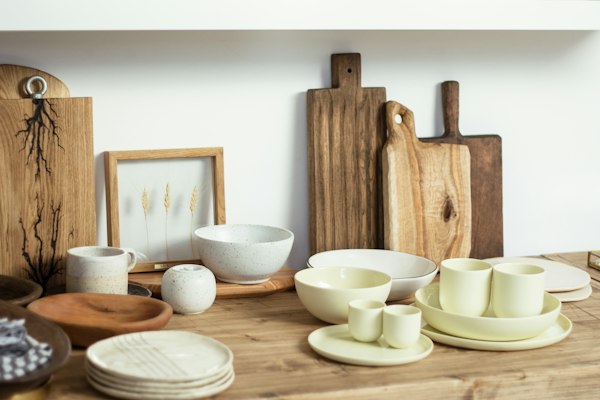
Pottery and Ceramics
Rookwood, Grueby, Pewabic, or any modern maker working in that tradition. Matte glazes in sage, indigo, amber, and deep plum. A single well-placed vase on a mantel does more than a gallery wall of prints ever could.
The Craftsman palette
Color in a Craftsman home does not come from the walls. It comes from the materials. Walls stay quiet: deep cream, putty, warm gray, or a muted sage green that recedes behind the woodwork. The wood itself provides the warmth, ranging from honey to amber to deep walnut depending on species and age. Color enters through the accessories, textiles, art glass, and pottery, always in tones that could have been mixed from pigments found in nature. Nothing neon. Nothing that would startle a fern.
Room by room
The Living Room
Center the room around the fireplace, which in a Craftsman home is not decorative but gravitational. A substantial mantel of rough-hewn timber or river stone, flanked by built-in bookcases if the architecture allows. Position the sofa facing it. A pair of mission-style armchairs angled in. The coffee table between. A floor lamp with a mica shade in the reading corner. One good rug pulling it all together. The impulse to add a sixth thing is usually the impulse to ignore.
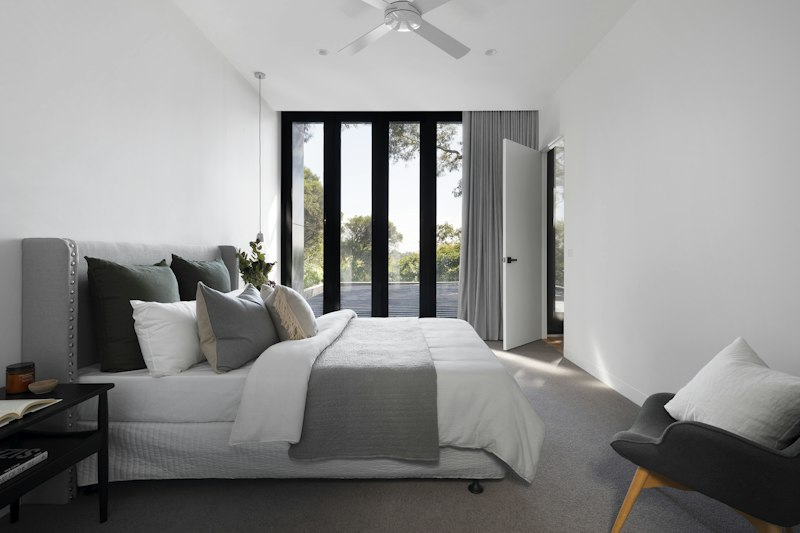
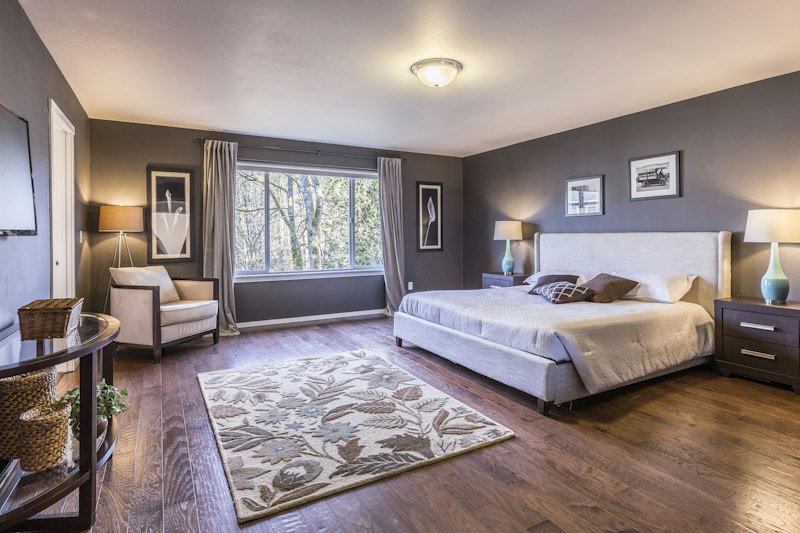
The Bedroom
A platform bed or sleigh bed in solid hardwood, headboard slatted or paneled, low enough that the proportions of the room stay horizontal. Bedside tables with a single drawer and an open shelf below. Linen bedding in ivory or stone, layered with a wool blanket at the foot in a muted plaid or solid. One good reading lamp per side. A small bench or cedar chest at the foot. Curtains in a heavier weave, something that filters light to gold in the morning rather than blocking it entirely.
The Entry
The first and last room anyone sees. A hall tree with a mirror and hooks of hammered iron or copper. A ceramic umbrella stand, preferably something with a matte green glaze that looks like it survived a more interesting century. A runner rug in a worn kilim pattern. If the entry has built-in benches (and many Craftsman plans do), a pair of leather cushions and a basket for shoes underneath. The message is immediate: this house takes materials and welcome seriously.
The lived-in test
Here is the final question for every piece you consider bringing into a Craftsman home: will it look better in ten years than it does today? Leather softens. Wood darkens. Wool felts slightly at the edges. Copper greens. A well-chosen rug develops the slight unevenness of actual use, paths worn by feet that walked to the kitchen at midnight for water. These are not signs of decline. They are signs of life, which is the only decoration a Craftsman home was ever really asking for.
The house already knows what it wants. Your job is to listen to it, to choose things made by human hands from materials that remember being alive, and to leave enough empty space for the afternoon light to do its work across the floor. That is the whole secret. It was always the whole secret.